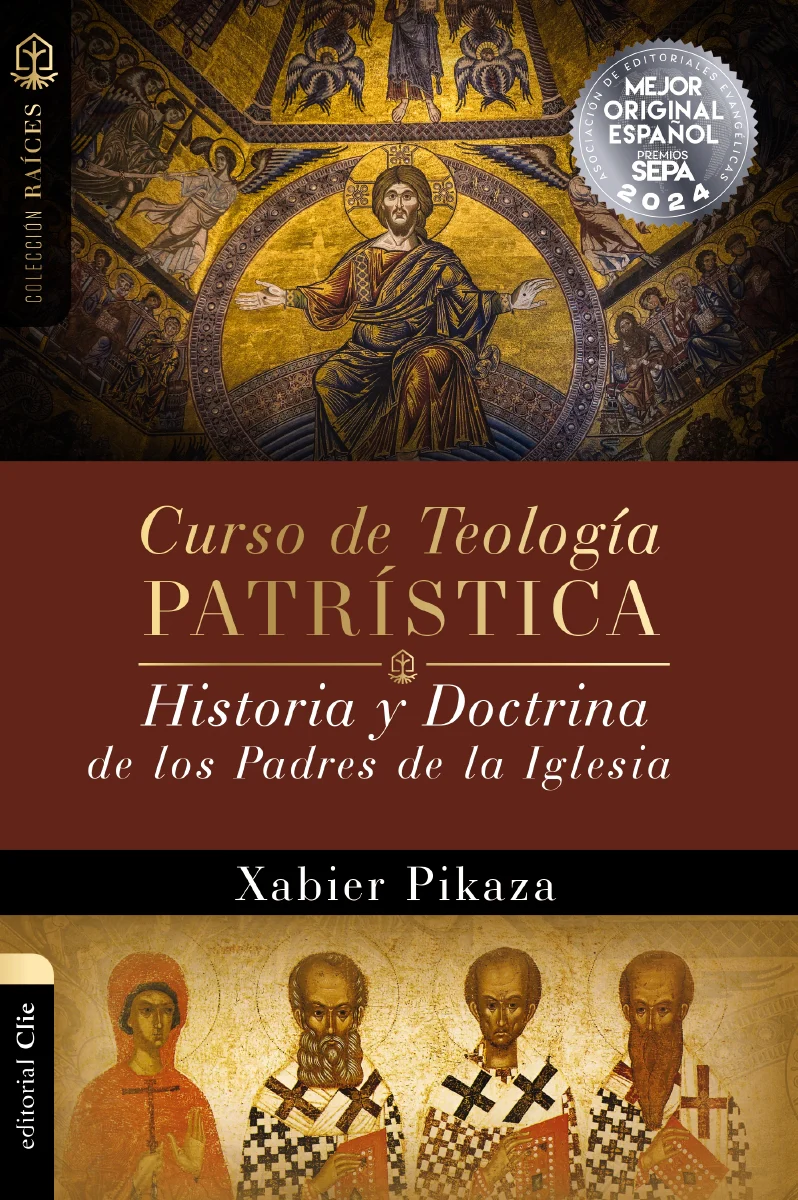
Curso de Teología Patrística: Historia y Doctrina de los Padres de la Iglesia
Galardonado en los Premios SEPA 2024, Mejor libro Original en Español
Recorre la historia de la iglesia primitiva y los líderes que fueron cabeza y parte del movimiento del cristianismo, con el Curso de teología de los padres de la iglesia, una recopilación desde los Apóstoles de Cristo hasta los Padres de la Iglesia Oriental.
Elaborado en una estructura de tiempos, el autor divide el contenido en:
- Padres apostólicos. Recoge la vida y obra de los primeros cristianos, desde el I d. C. a finales del II, llamados apostólicos y protagonista de la primera iglesia, los cuales son testigos privilegiados del surgimiento y teología del cristianismo, que muestra desde el comienzo una gran libertad.
- Padres apologistas Obra de los primeros teólogos estrictamente dichos, de finales del siglo II hasta mediados del s. III d. C., que escribieron en griego (Justino, Ireneo…), menos Tertuliano, que lo hace en latín.
- Padres alejandrinos. Iglesia copta/egipcia (siglos III‒IV d. C.). Fueron los primeros teólogos estrictos en diálogo con el pensamiento griego (empezando por Clemente de Alejandría y Orígenes.
- Padres sirios. Iglesia oriental (siglos IV‒V d. C.). Junto a los alejandrinos (y en contraste con ellos) se elevan los padres orientales, más en concreto los de Siria.
- Padres Latinos (siglos III‒VII d. C.). Estuvieron más interesados en cuestiones de moral y de organización jurídico‒administrativo de la Iglesia que en temas de estricta teología o exégesis de la Biblia.
- Patrística latina tardía (siglos VIII‒XII d. C.). En sentido restringido la patrística acaba con el despliegue del monacato celta y la reforma o renacimiento carolingio (entre el VIII y IX d. C.
- Patrística griega tardía (siglos VIII‒XIV d.C.), se sitúan los últimos Padres de la Iglesia oriental, cuya primera etapa culmina en los grandes pensadores del VII y principios del VIII (Dionisio Areopagita, Máximo, Juan Damasceno).
Course of Theology of the Church Fathers
Awarded at the SEPA Awards 2024 for Best Original Book in Spanish
Follow the history of the early church and the leaders who were head and part of the Christianity movement with the Course of Theology of the Church Fathers, a compilation from the Apostles of Christ to the Fathers of the Eastern Church.
- Apostolic Fathers. It gathers the life and work of the first Christians, from the first century A.D. to the end of the second century A.D., called apostolic and protagonist of the first church, who are privileged witnesses of the emergence and theology of Christianity, which shows from the beginning a great freedom.
- The work of the first theologians specifically, from the end of the second century to the middle of the third century A.D., who wrote in Greek (Justin, Irenaeus...).
- Alexandrian Fathers, Coptic/Egyptian church (3rd-4th centuries AD)
- Latin "Church" Fathers (III-VII centuries A.D.)
- Latin Fathers (III-VII centuries A.D.)
- Late Latin Patristics (VIII-XII centuries A.D.)
- Late Greek Patristics (VIII-XIV centuries A.D.)
Galardonado en los Premios SEPA 2024, Mejor libro Original en Español
Recorre la historia de la iglesia primitiva y los líderes que fueron cabeza y parte del movimiento del cristianismo, con el Curso de teología de los padres de la iglesia, una recopilación desde los Apóstoles de Cristo hasta los Padres de la Iglesia Oriental.
Elaborado en una estructura de tiempos, el autor divide el contenido en:
- Padres apostólicos. Recoge la vida y obra de los primeros cristianos, desde el I d. C. a finales del II, llamados apostólicos y protagonista de la primera iglesia, los cuales son testigos privilegiados del surgimiento y teología del cristianismo, que muestra desde el comienzo una gran libertad.
- Padres apologistas Obra de los primeros teólogos estrictamente dichos, de finales del siglo II hasta mediados del s. III d. C., que escribieron en griego (Justino, Ireneo…), menos Tertuliano, que lo hace en latín.
- Padres alejandrinos. Iglesia copta/egipcia (siglos III‒IV d. C.). Fueron los primeros teólogos estrictos en diálogo con el pensamiento griego (empezando por Clemente de Alejandría y Orígenes.
- Padres sirios. Iglesia oriental (siglos IV‒V d. C.). Junto a los alejandrinos (y en contraste con ellos) se elevan los padres orientales, más en concreto los de Siria.
- Padres Latinos (siglos III‒VII d. C.). Estuvieron más interesados en cuestiones de moral y de organización jurídico‒administrativo de la Iglesia que en temas de estricta teología o exégesis de la Biblia.
- Patrística latina tardía (siglos VIII‒XII d. C.). En sentido restringido la patrística acaba con el despliegue del monacato celta y la reforma o renacimiento carolingio (entre el VIII y IX d. C.
- Patrística griega tardía (siglos VIII‒XIV d.C.), se sitúan los últimos Padres de la Iglesia oriental, cuya primera etapa culmina en los grandes pensadores del VII y principios del VIII (Dionisio Areopagita, Máximo, Juan Damasceno).
Course of Theology of the Church Fathers
Awarded at the SEPA Awards 2024 for Best Original Book in Spanish
Follow the history of the early church and the leaders who were head and part of the Christianity movement with the Course of Theology of the Church Fathers, a compilation from the Apostles of Christ to the Fathers of the Eastern Church.
- Apostolic Fathers. It gathers the life and work of the first Christians, from the first century A.D. to the end of the second century A.D., called apostolic and protagonist of the first church, who are privileged witnesses of the emergence and theology of Christianity, which shows from the beginning a great freedom.
- The work of the first theologians specifically, from the end of the second century to the middle of the third century A.D., who wrote in Greek (Justin, Irenaeus...).
- Alexandrian Fathers, Coptic/Egyptian church (3rd-4th centuries AD). They were the first strict theologians in dialogue with Greek thought (beginning with Clement of Alexandria and Origen.
- Latin "Church" Fathers (III-VII centuries A.D.). They were more interested in questions of morality and juridical-administrative organization of the Church than in matters of strict theology or exegesis of the Bible.
- Latin Fathers (III-VII centuries A.D.). They were more interested in questions of morality and juridical-administrative organization of the Church than in matters of strict theology or exegesis of the Bible.
- Late Latin Patristics (VIII-XII centuries A.D.). In a narrow sense, patristics ends with the spread of Celtic monasticism and the Carolingian reform or renaissance.
- Late Greek Patristics (VIII-XIV centuries A.D.), the last Fathers of the Eastern Church, whose first stage culminates in the great thinkers of the VII and early VIII centuries.
Galardonado en los Premios SEPA 2024, Mejor libro Original en Español
Recorre la historia de la iglesia primitiva y los líderes que fueron cabeza y parte del movimiento del cristianismo, con el Curso de teología de los padres de la iglesia, una recopilación desde los Apóstoles de Cristo hasta los Padres de la Iglesia Oriental.
Elaborado en una estructura de tiempos, el autor divide el contenido en:
- Padres apostólicos. Recoge la vida y obra de los primeros cristianos, desde el I d. C. a finales del II, llamados apostólicos y protagonista de la primera iglesia, los cuales son testigos privilegiados del surgimiento y teología del cristianismo, que muestra desde el comienzo una gran libertad.
- Padres apologistas Obra de los primeros teólogos estrictamente dichos, de finales del siglo II hasta mediados del s. III d. C., que escribieron en griego (Justino, Ireneo…), menos Tertuliano, que lo hace en latín.
- Padres alejandrinos. Iglesia copta/egipcia (siglos III‒IV d. C.). Fueron los primeros teólogos estrictos en diálogo con el pensamiento griego (empezando por Clemente de Alejandría y Orígenes.
- Padres sirios. Iglesia oriental (siglos IV‒V d. C.). Junto a los alejandrinos (y en contraste con ellos) se elevan los padres orientales, más en concreto los de Siria.
- Padres Latinos (siglos III‒VII d. C.). Estuvieron más interesados en cuestiones de moral y de organización jurídico‒administrativo de la Iglesia que en temas de estricta teología o exégesis de la Biblia.
- Patrística latina tardía (siglos VIII‒XII d. C.). En sentido restringido la patrística acaba con el despliegue del monacato celta y la reforma o renacimiento carolingio (entre el VIII y IX d. C.
- Patrística griega tardía (siglos VIII‒XIV d.C.), se sitúan los últimos Padres de la Iglesia oriental, cuya primera etapa culmina en los grandes pensadores del VII y principios del VIII (Dionisio Areopagita, Máximo, Juan Damasceno).
Course of Theology of the Church Fathers
Awarded at the SEPA Awards 2024 for Best Original Book in Spanish
Follow the history of the early church and the leaders who were head and part of the Christianity movement with the Course of Theology of the Church Fathers, a compilation from the Apostles of Christ to the Fathers of the Eastern Church.
- Apostolic Fathers. It gathers the life and work of the first Christians, from the first century A.D. to the end of the second century A.D., called apostolic and protagonist of the first church, who are privileged witnesses of the emergence and theology of Christianity, which shows from the beginning a great freedom.
- The work of the first theologians specifically, from the end of the second century to the middle of the third century A.D., who wrote in Greek (Justin, Irenaeus...).
- Alexandrian Fathers, Coptic/Egyptian church (3rd-4th centuries AD)
- Latin "Church" Fathers (III-VII centuries A.D.)
- Latin Fathers (III-VII centuries A.D.)
- Late Latin Patristics (VIII-XII centuries A.D.)
- Late Greek Patristics (VIII-XIV centuries A.D.)
Galardonado en los Premios SEPA 2024, Mejor libro Original en Español
Recorre la historia de la iglesia primitiva y los líderes que fueron cabeza y parte del movimiento del cristianismo, con el Curso de teología de los padres de la iglesia, una recopilación desde los Apóstoles de Cristo hasta los Padres de la Iglesia Oriental.
Elaborado en una estructura de tiempos, el autor divide el contenido en:
- Padres apostólicos. Recoge la vida y obra de los primeros cristianos, desde el I d. C. a finales del II, llamados apostólicos y protagonista de la primera iglesia, los cuales son testigos privilegiados del surgimiento y teología del cristianismo, que muestra desde el comienzo una gran libertad.
- Padres apologistas Obra de los primeros teólogos estrictamente dichos, de finales del siglo II hasta mediados del s. III d. C., que escribieron en griego (Justino, Ireneo…), menos Tertuliano, que lo hace en latín.
- Padres alejandrinos. Iglesia copta/egipcia (siglos III‒IV d. C.). Fueron los primeros teólogos estrictos en diálogo con el pensamiento griego (empezando por Clemente de Alejandría y Orígenes.
- Padres sirios. Iglesia oriental (siglos IV‒V d. C.). Junto a los alejandrinos (y en contraste con ellos) se elevan los padres orientales, más en concreto los de Siria.
- Padres Latinos (siglos III‒VII d. C.). Estuvieron más interesados en cuestiones de moral y de organización jurídico‒administrativo de la Iglesia que en temas de estricta teología o exégesis de la Biblia.
- Patrística latina tardía (siglos VIII‒XII d. C.). En sentido restringido la patrística acaba con el despliegue del monacato celta y la reforma o renacimiento carolingio (entre el VIII y IX d. C.
- Patrística griega tardía (siglos VIII‒XIV d.C.), se sitúan los últimos Padres de la Iglesia oriental, cuya primera etapa culmina en los grandes pensadores del VII y principios del VIII (Dionisio Areopagita, Máximo, Juan Damasceno).
Course of Theology of the Church Fathers
Awarded at the SEPA Awards 2024 for Best Original Book in Spanish
Follow the history of the early church and the leaders who were head and part of the Christianity movement with the Course of Theology of the Church Fathers, a compilation from the Apostles of Christ to the Fathers of the Eastern Church.
- Apostolic Fathers. It gathers the life and work of the first Christians, from the first century A.D. to the end of the second century A.D., called apostolic and protagonist of the first church, who are privileged witnesses of the emergence and theology of Christianity, which shows from the beginning a great freedom.
- The work of the first theologians specifically, from the end of the second century to the middle of the third century A.D., who wrote in Greek (Justin, Irenaeus...).
- Alexandrian Fathers, Coptic/Egyptian church (3rd-4th centuries AD). They were the first strict theologians in dialogue with Greek thought (beginning with Clement of Alexandria and Origen.
- Latin "Church" Fathers (III-VII centuries A.D.). They were more interested in questions of morality and juridical-administrative organization of the Church than in matters of strict theology or exegesis of the Bible.
- Latin Fathers (III-VII centuries A.D.). They were more interested in questions of morality and juridical-administrative organization of the Church than in matters of strict theology or exegesis of the Bible.
- Late Latin Patristics (VIII-XII centuries A.D.). In a narrow sense, patristics ends with the spread of Celtic monasticism and the Carolingian reform or renaissance.
- Late Greek Patristics (VIII-XIV centuries A.D.), the last Fathers of the Eastern Church, whose first stage culminates in the great thinkers of the VII and early VIII centuries.
Original: $24.49
-70%$24.49
$7.35Description
Galardonado en los Premios SEPA 2024, Mejor libro Original en Español
Recorre la historia de la iglesia primitiva y los líderes que fueron cabeza y parte del movimiento del cristianismo, con el Curso de teología de los padres de la iglesia, una recopilación desde los Apóstoles de Cristo hasta los Padres de la Iglesia Oriental.
Elaborado en una estructura de tiempos, el autor divide el contenido en:
- Padres apostólicos. Recoge la vida y obra de los primeros cristianos, desde el I d. C. a finales del II, llamados apostólicos y protagonista de la primera iglesia, los cuales son testigos privilegiados del surgimiento y teología del cristianismo, que muestra desde el comienzo una gran libertad.
- Padres apologistas Obra de los primeros teólogos estrictamente dichos, de finales del siglo II hasta mediados del s. III d. C., que escribieron en griego (Justino, Ireneo…), menos Tertuliano, que lo hace en latín.
- Padres alejandrinos. Iglesia copta/egipcia (siglos III‒IV d. C.). Fueron los primeros teólogos estrictos en diálogo con el pensamiento griego (empezando por Clemente de Alejandría y Orígenes.
- Padres sirios. Iglesia oriental (siglos IV‒V d. C.). Junto a los alejandrinos (y en contraste con ellos) se elevan los padres orientales, más en concreto los de Siria.
- Padres Latinos (siglos III‒VII d. C.). Estuvieron más interesados en cuestiones de moral y de organización jurídico‒administrativo de la Iglesia que en temas de estricta teología o exégesis de la Biblia.
- Patrística latina tardía (siglos VIII‒XII d. C.). En sentido restringido la patrística acaba con el despliegue del monacato celta y la reforma o renacimiento carolingio (entre el VIII y IX d. C.
- Patrística griega tardía (siglos VIII‒XIV d.C.), se sitúan los últimos Padres de la Iglesia oriental, cuya primera etapa culmina en los grandes pensadores del VII y principios del VIII (Dionisio Areopagita, Máximo, Juan Damasceno).
Course of Theology of the Church Fathers
Awarded at the SEPA Awards 2024 for Best Original Book in Spanish
Follow the history of the early church and the leaders who were head and part of the Christianity movement with the Course of Theology of the Church Fathers, a compilation from the Apostles of Christ to the Fathers of the Eastern Church.
- Apostolic Fathers. It gathers the life and work of the first Christians, from the first century A.D. to the end of the second century A.D., called apostolic and protagonist of the first church, who are privileged witnesses of the emergence and theology of Christianity, which shows from the beginning a great freedom.
- The work of the first theologians specifically, from the end of the second century to the middle of the third century A.D., who wrote in Greek (Justin, Irenaeus...).
- Alexandrian Fathers, Coptic/Egyptian church (3rd-4th centuries AD)
- Latin "Church" Fathers (III-VII centuries A.D.)
- Latin Fathers (III-VII centuries A.D.)
- Late Latin Patristics (VIII-XII centuries A.D.)
- Late Greek Patristics (VIII-XIV centuries A.D.)
Galardonado en los Premios SEPA 2024, Mejor libro Original en Español
Recorre la historia de la iglesia primitiva y los líderes que fueron cabeza y parte del movimiento del cristianismo, con el Curso de teología de los padres de la iglesia, una recopilación desde los Apóstoles de Cristo hasta los Padres de la Iglesia Oriental.
Elaborado en una estructura de tiempos, el autor divide el contenido en:
- Padres apostólicos. Recoge la vida y obra de los primeros cristianos, desde el I d. C. a finales del II, llamados apostólicos y protagonista de la primera iglesia, los cuales son testigos privilegiados del surgimiento y teología del cristianismo, que muestra desde el comienzo una gran libertad.
- Padres apologistas Obra de los primeros teólogos estrictamente dichos, de finales del siglo II hasta mediados del s. III d. C., que escribieron en griego (Justino, Ireneo…), menos Tertuliano, que lo hace en latín.
- Padres alejandrinos. Iglesia copta/egipcia (siglos III‒IV d. C.). Fueron los primeros teólogos estrictos en diálogo con el pensamiento griego (empezando por Clemente de Alejandría y Orígenes.
- Padres sirios. Iglesia oriental (siglos IV‒V d. C.). Junto a los alejandrinos (y en contraste con ellos) se elevan los padres orientales, más en concreto los de Siria.
- Padres Latinos (siglos III‒VII d. C.). Estuvieron más interesados en cuestiones de moral y de organización jurídico‒administrativo de la Iglesia que en temas de estricta teología o exégesis de la Biblia.
- Patrística latina tardía (siglos VIII‒XII d. C.). En sentido restringido la patrística acaba con el despliegue del monacato celta y la reforma o renacimiento carolingio (entre el VIII y IX d. C.
- Patrística griega tardía (siglos VIII‒XIV d.C.), se sitúan los últimos Padres de la Iglesia oriental, cuya primera etapa culmina en los grandes pensadores del VII y principios del VIII (Dionisio Areopagita, Máximo, Juan Damasceno).
Course of Theology of the Church Fathers
Awarded at the SEPA Awards 2024 for Best Original Book in Spanish
Follow the history of the early church and the leaders who were head and part of the Christianity movement with the Course of Theology of the Church Fathers, a compilation from the Apostles of Christ to the Fathers of the Eastern Church.
- Apostolic Fathers. It gathers the life and work of the first Christians, from the first century A.D. to the end of the second century A.D., called apostolic and protagonist of the first church, who are privileged witnesses of the emergence and theology of Christianity, which shows from the beginning a great freedom.
- The work of the first theologians specifically, from the end of the second century to the middle of the third century A.D., who wrote in Greek (Justin, Irenaeus...).
- Alexandrian Fathers, Coptic/Egyptian church (3rd-4th centuries AD). They were the first strict theologians in dialogue with Greek thought (beginning with Clement of Alexandria and Origen.
- Latin "Church" Fathers (III-VII centuries A.D.). They were more interested in questions of morality and juridical-administrative organization of the Church than in matters of strict theology or exegesis of the Bible.
- Latin Fathers (III-VII centuries A.D.). They were more interested in questions of morality and juridical-administrative organization of the Church than in matters of strict theology or exegesis of the Bible.
- Late Latin Patristics (VIII-XII centuries A.D.). In a narrow sense, patristics ends with the spread of Celtic monasticism and the Carolingian reform or renaissance.
- Late Greek Patristics (VIII-XIV centuries A.D.), the last Fathers of the Eastern Church, whose first stage culminates in the great thinkers of the VII and early VIII centuries.